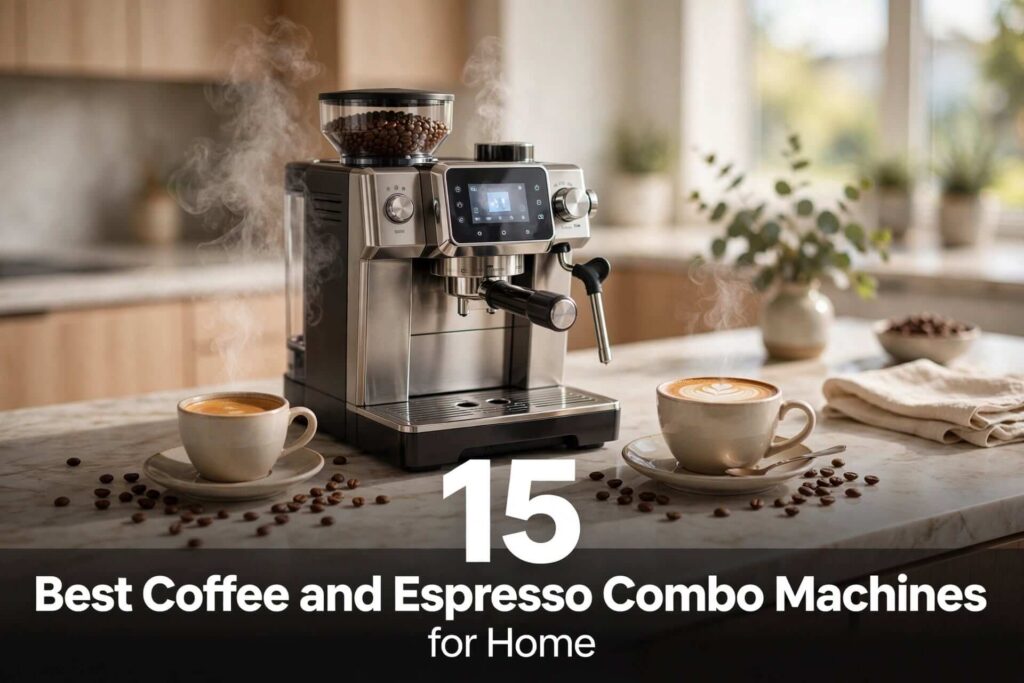
Buying two separate machines for coffee and espresso can quickly turn a small kitchen counter into a crowded coffee station. The best coffee and espresso combo machine solves that problem by combining multiple brewing styles in one appliance—but the machines are surprisingly different. Some focus on convenience and capsules, while others offer a portafilter, built-in grinder, milk frothing, or even cold-brew options. The right choice depends on how you actually drink coffee each day. From flexible family-friendly systems to more hands-on espresso setups, these options show what to look for when you want one machine to handle your morning coffee and your afternoon espresso.
In This Article
- Ninja Espresso & Coffee Barista System CFN601
- De’Longhi All-in-One Combination Coffee Maker & Espresso Machine
- Cuisinart Coffee Center Barista Bar 4-in-1
- Ninja Luxe Café ES601
- Capsule-and-Drip Combo for Maximum Convenience
- Traditional Portafilter Combo for Hands-On Brewing
- Combo Machine With Built-In Milk Frother
- A Combo Machine for Large Households
- Compact Combo Machine for Small Kitchens
- Combo Machine With Cold Coffee Options
- Bean-to-Cup Convenience
- A Premium All-in-One Coffee Station
- A Budget-Friendly Combo Setup
- A Combo Machine for Entertaining
- The Right Combo Machine for Your Daily Routine
- Frequently Asked Questions
1. Ninja Espresso & Coffee Barista System CFN601
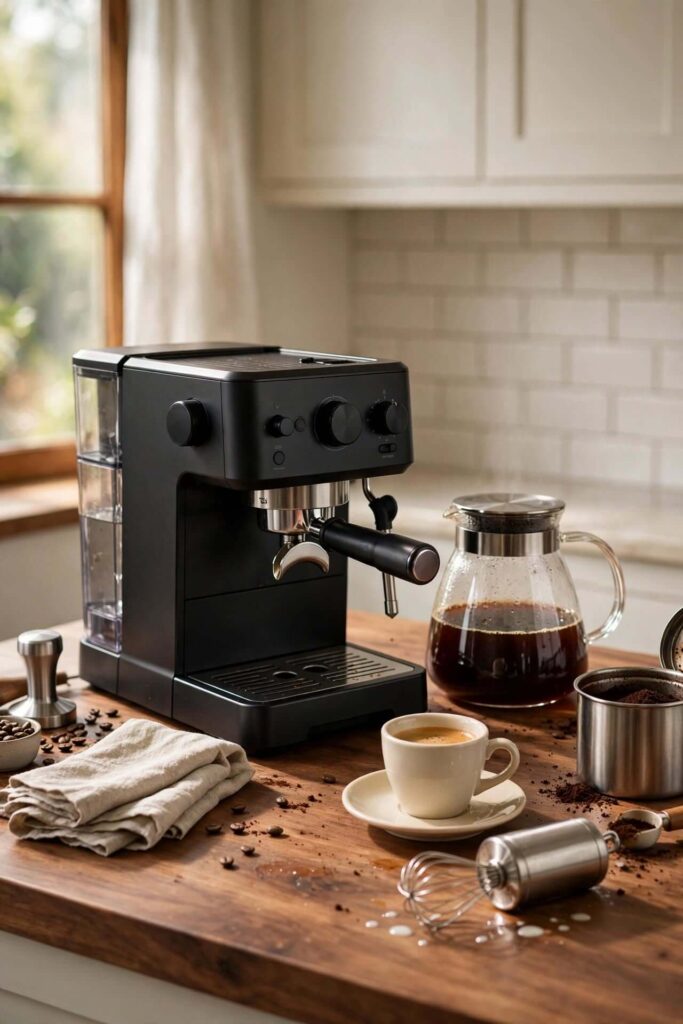
The Ninja CFN601 is designed for households that want regular coffee and espresso-style drinks without keeping two machines on the counter. It brews ground coffee in multiple sizes, including a 12-cup carafe, while its espresso side uses compatible capsules. A built-in fold-away frother adds flexibility for lattes and cappuccinos. The combination of grounds, capsules, multiple brew styles, and a relatively compact footprint makes it especially practical for households with different coffee preferences. (ninjakitchen.com)
Quick Win: Measure your counter depth before buying. Combo machines can look compact from the front while needing more clearance around the sides and top.
2. De’Longhi All-in-One Combination Coffee Maker & Espresso Machine
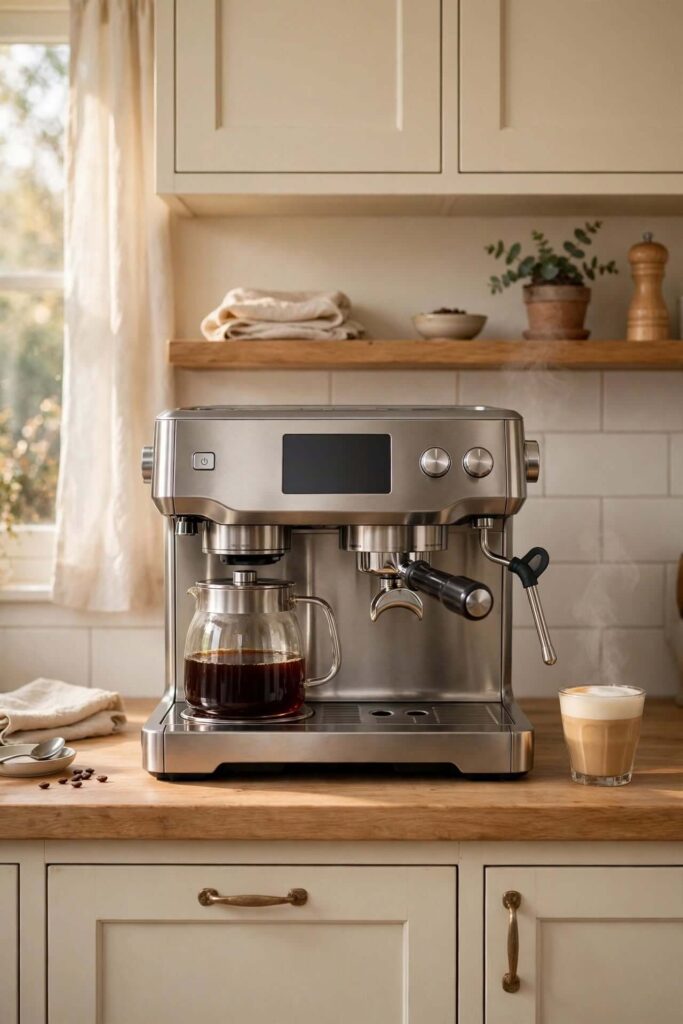
For shoppers who prefer a more traditional coffee-and-espresso setup, De’Longhi’s All-in-One system combines a drip coffee maker with a pump espresso side and built-in steam wand. Good Housekeeping’s 2026 testing notes that it can brew drip coffee and pull espresso while also handling frothed milk, with a footprint that is only slightly larger than many conventional coffee makers. (Good Housekeeping)
3. Cuisinart Coffee Center Barista Bar 4-in-1
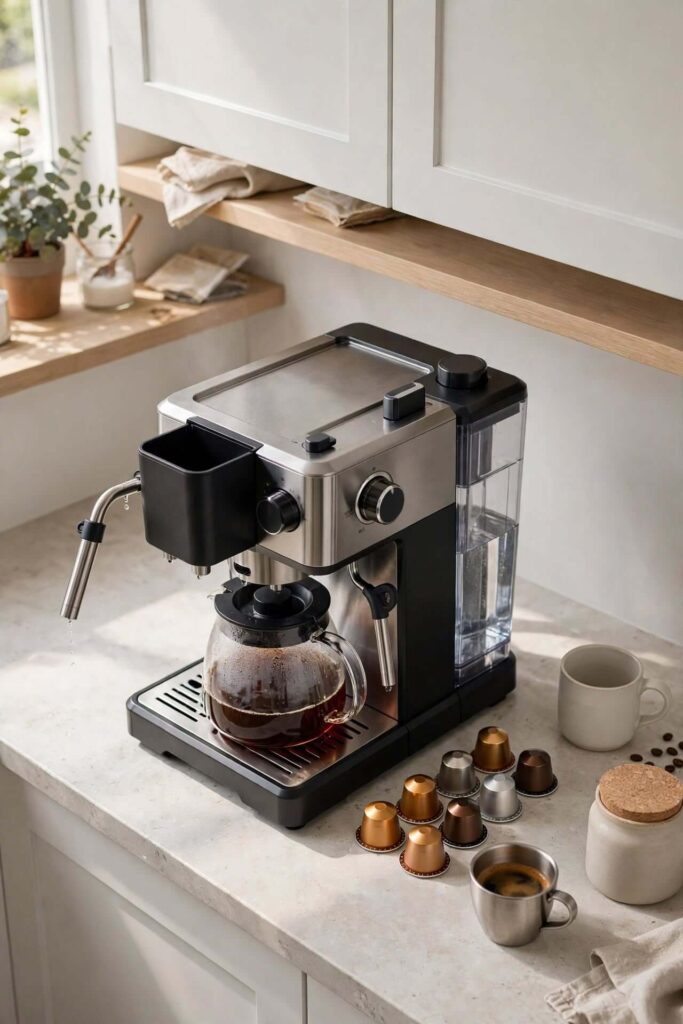
If your household switches between different coffee formats, a four-in-one machine can be especially convenient. The Cuisinart Coffee Center Barista Bar combines drip coffee with compatibility for K-Cup and Nespresso-style capsules and includes a built-in steam wand. Good Housekeeping found it capable of making a full 12-cup carafe while also supporting single-serve brewing, making it useful for both everyday cups and specialty drinks. (Good Housekeeping)
Quick Win: Keep both your preferred pods and ground coffee within easy reach so you can switch brewing styles without creating countertop clutter.
4. Ninja Luxe Café ES601
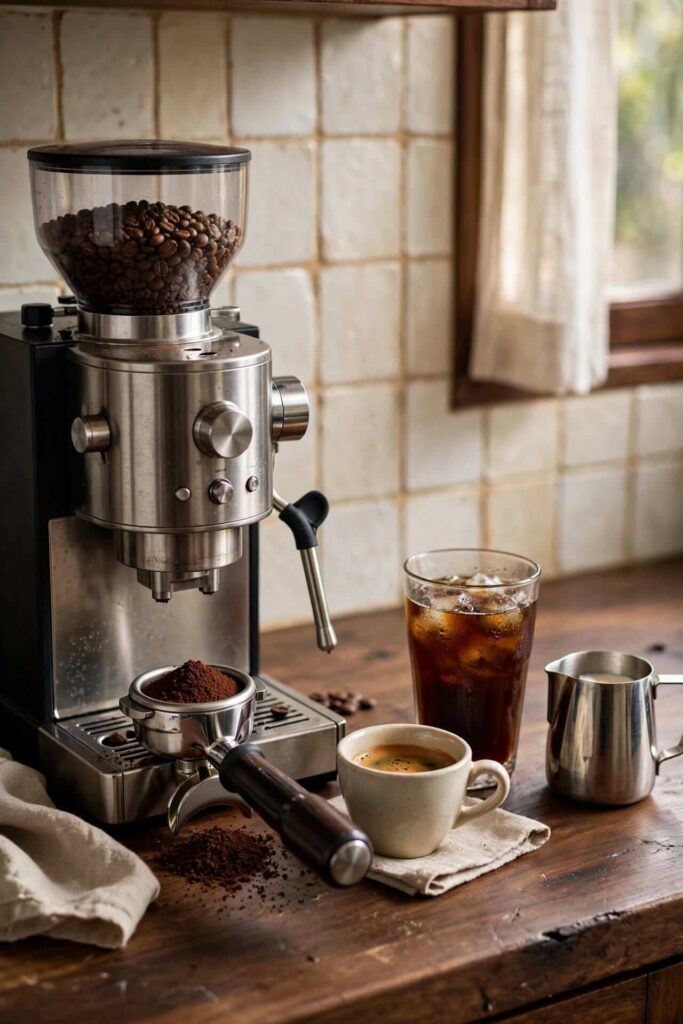
For someone who wants more control over espresso without giving up regular coffee, a premium hybrid such as the Ninja Luxe Café ES601 is worth considering. It combines espresso, coffee, and cold-brew capabilities with a built-in grinder and assisted brewing features. This type of machine is better suited to coffee enthusiasts who enjoy experimenting with freshly ground beans rather than relying entirely on capsules. (Better Coffee Finds)
5. Capsule-and-Drip Combo for Maximum Convenience
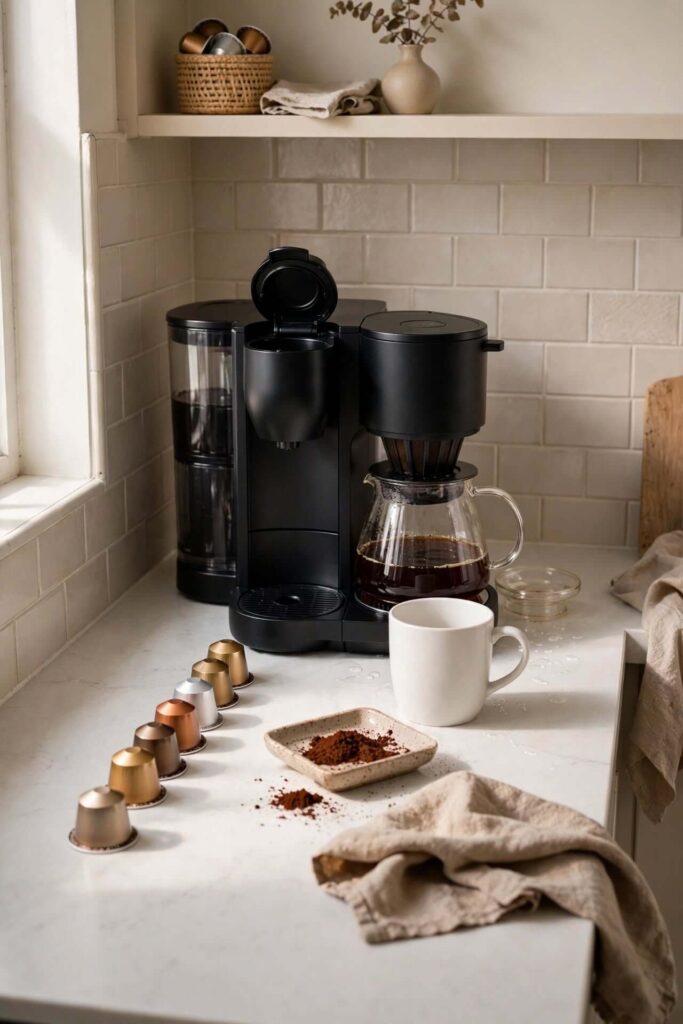
Not everyone wants to weigh beans, tamp grounds, and clean an espresso portafilter every morning. A capsule-and-drip combination makes sense when convenience is the priority. Models such as the Ninja CFN601 let you use coffee grounds for larger brews while using compatible espresso capsules for quick individual drinks. This setup is particularly useful for busy households where one person wants a carafe and another wants a fast espresso-style drink.
6. Traditional Portafilter Combo for Hands-On Brewing
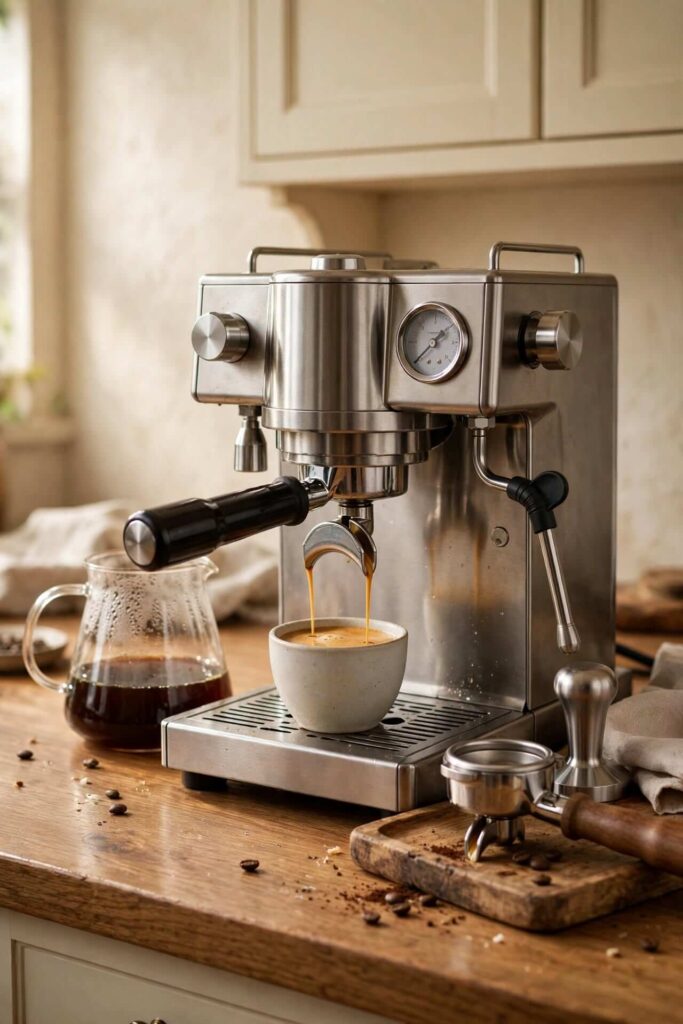
If the ritual of making espresso is part of the appeal, choose a combination machine with a traditional portafilter rather than a capsule-only espresso system. You can grind or measure coffee, tamp it, pull a shot, and steam milk while keeping a separate drip side for regular coffee. This approach takes more time, but it gives you greater control over the espresso-making process and suits people who enjoy a barista-style morning routine.
Quick Win: Use freshly ground espresso coffee and practice a consistent tamping pressure before changing several variables at once.
7. Combo Machine With Built-In Milk Frother
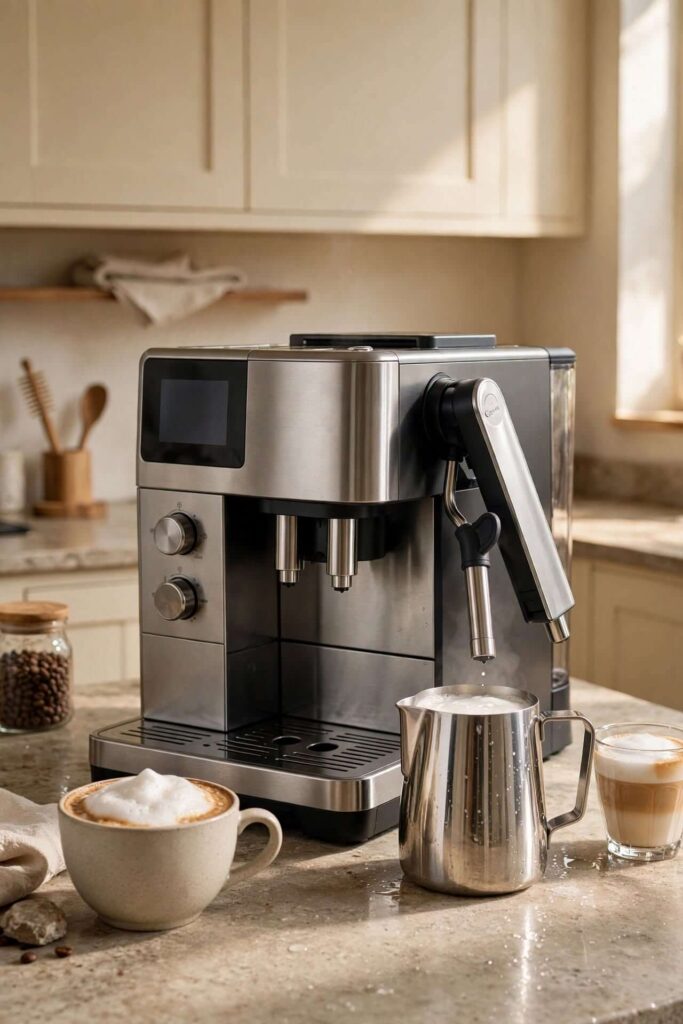
For latte and cappuccino drinkers, the milk system can matter almost as much as the brewing system. A built-in frother eliminates the need for another appliance and lets you turn espresso into milk-based drinks without adding equipment to your counter. Some systems use a steam wand, while others use an integrated or separate frothing mechanism, so consider whether you prefer manual control or convenience.
8. A Combo Machine for Large Households
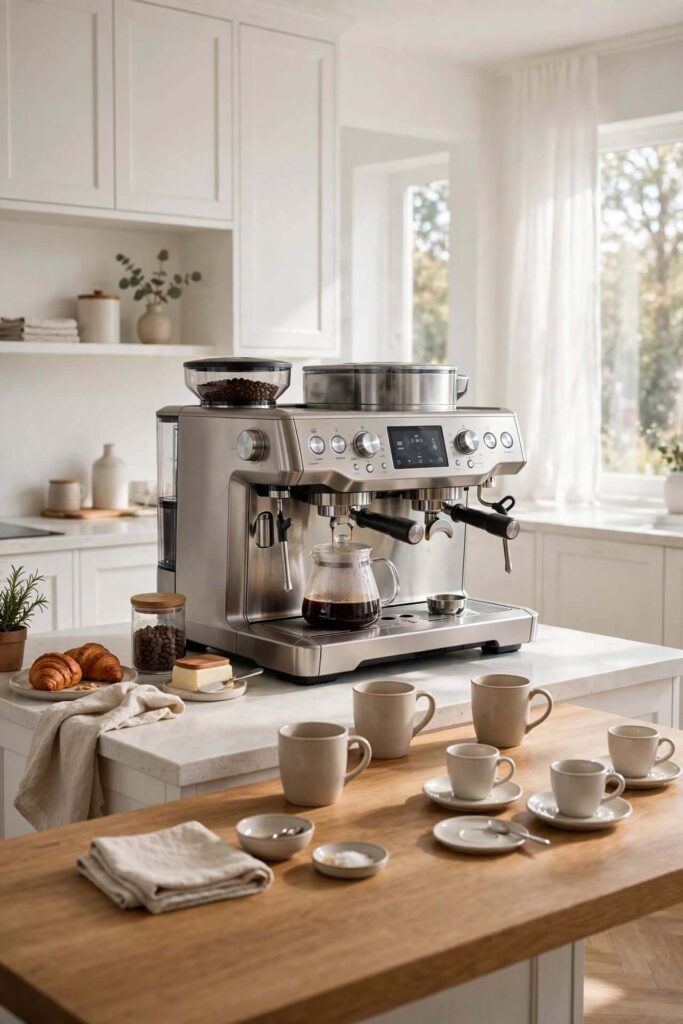
If several people drink coffee in the morning, capacity becomes more important than having the smallest possible appliance. Look for a model that can brew a larger carafe while still offering individual espresso or specialty drink options. Some machines can produce up to 12 cups of coffee while separately handling espresso-style servings, making them useful for families and weekend entertaining.
9. Compact Combo Machine for Small Kitchens
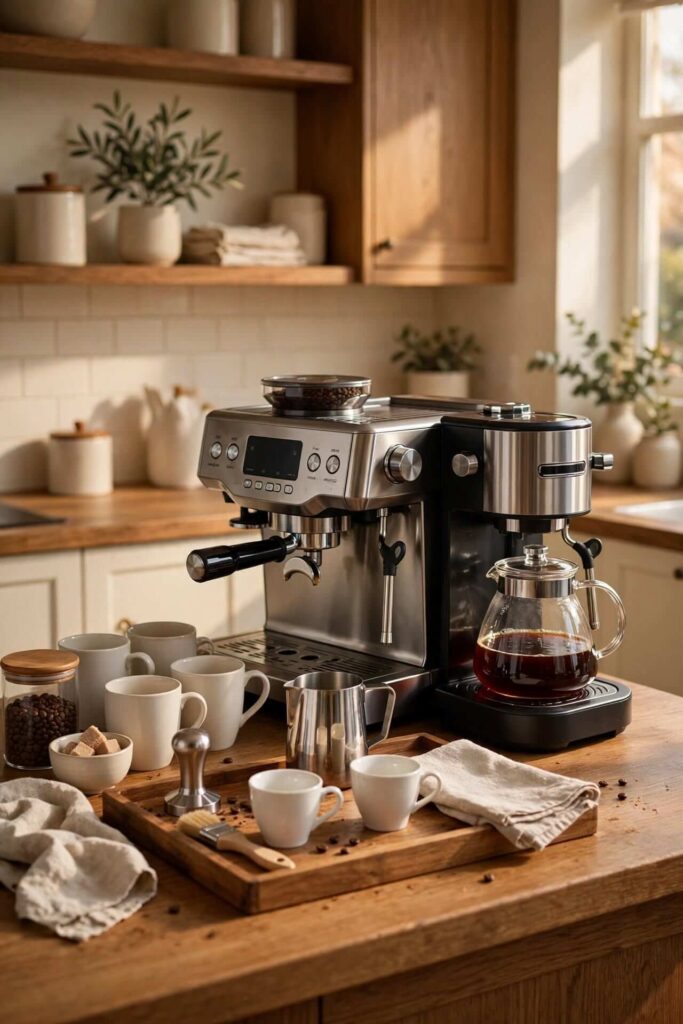
When counter space is limited, the best coffee and espresso combo machine is often the one that replaces two appliances without overwhelming the kitchen. Look beyond width and check depth, height, water-reservoir access, and clearance needed to operate the machine. A narrow coffee station with a simple mug shelf or wall-mounted storage can keep the area functional without making it feel crowded.
Quick Win: Measure the entire coffee zone—including space needed to open water tanks and remove carafes—not just the appliance footprint.
10. Combo Machine With Cold Coffee Options
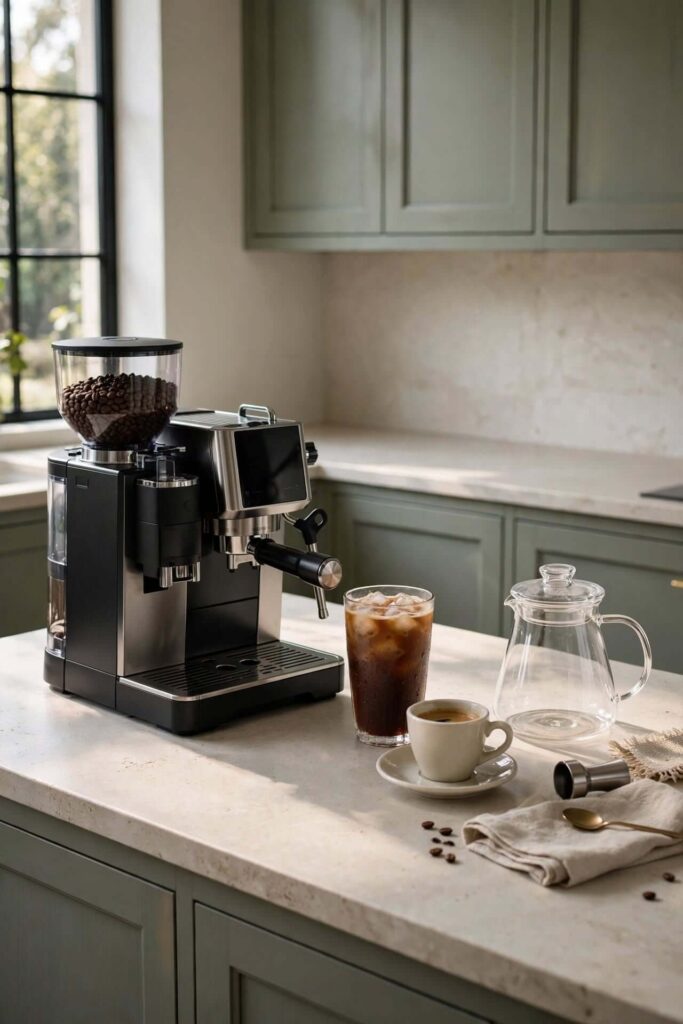
Iced coffee and cold-brew drinkers should look beyond standard drip and espresso functions. Some modern combination systems add dedicated iced or cold-brew settings, expanding the number of drinks you can make from one appliance. The Ninja Luxe Café, for example, combines espresso and coffee functions with cold-brew capability, which can make it appealing for households that rarely drink hot coffee exclusively.
11. Bean-to-Cup Convenience
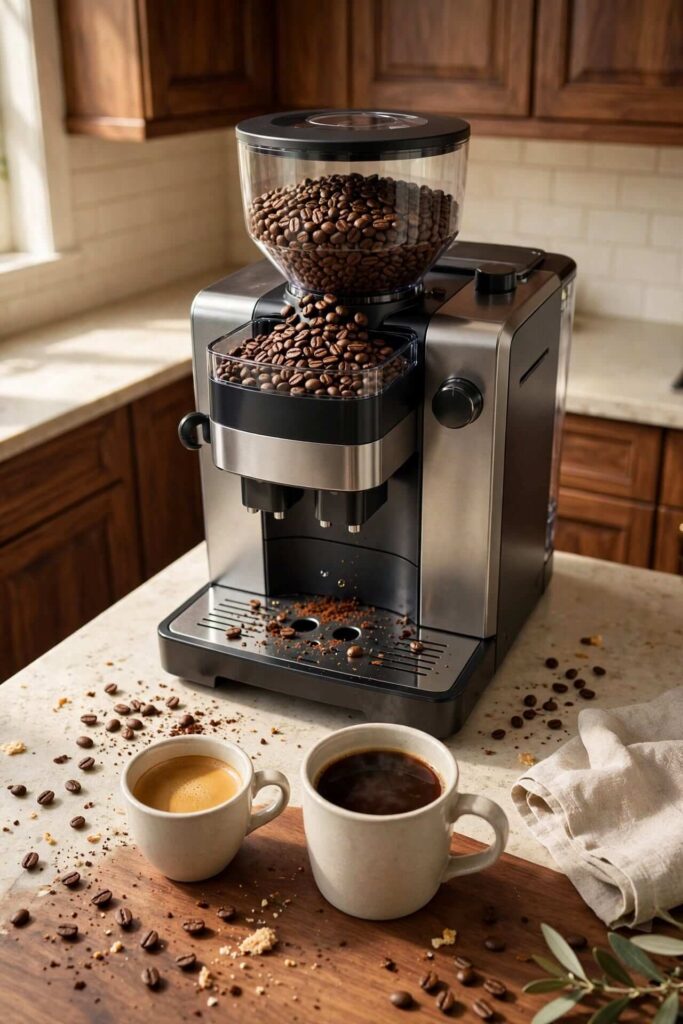
Whole-bean machines appeal to people who want freshly ground coffee without manually operating a grinder and portafilter. A bean-to-cup setup automatically handles much of the preparation, making it attractive for busy mornings. It is worth remembering, however, that these machines are a different category from traditional drip-plus-portafilter combos, so check whether you want automatic convenience or hands-on espresso control before buying.
Quick Win: Prioritize machines with easily removable brewing and milk components if daily cleaning is a major concern.
12. A Premium All-in-One Coffee Station
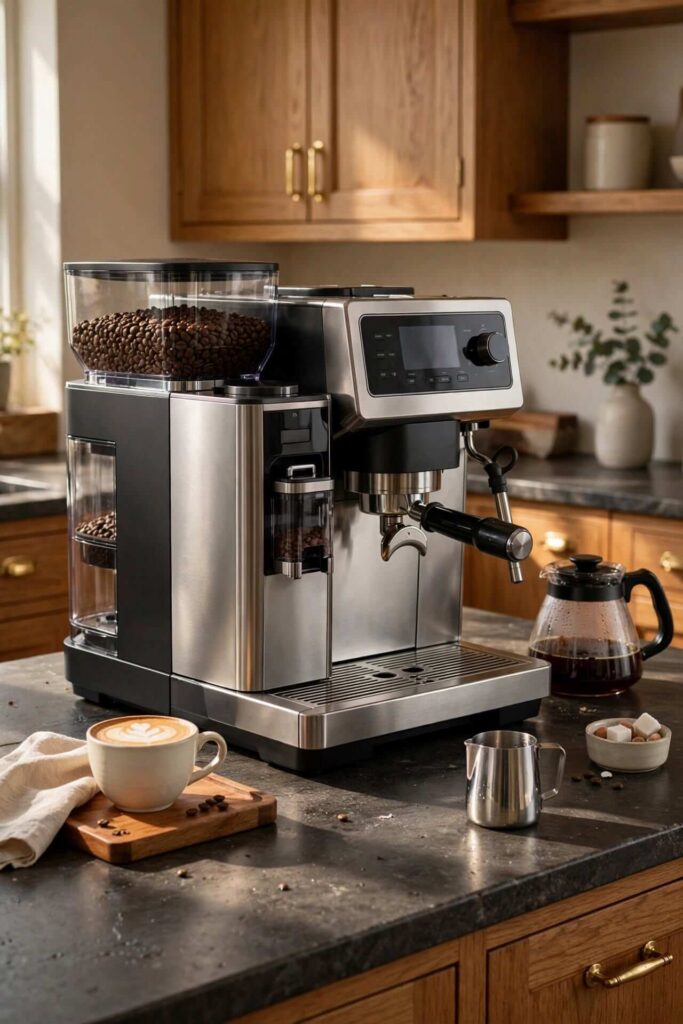
A premium all-in-one machine can turn a small section of your kitchen into a complete coffee bar. Higher-end models may combine grinding, espresso preparation, milk drinks, and additional coffee styles in one appliance. The trade-off is usually greater cost and a larger feature set, so this approach makes the most sense when you will regularly use those functions rather than paying for controls that sit untouched.
13. A Budget-Friendly Combo Setup
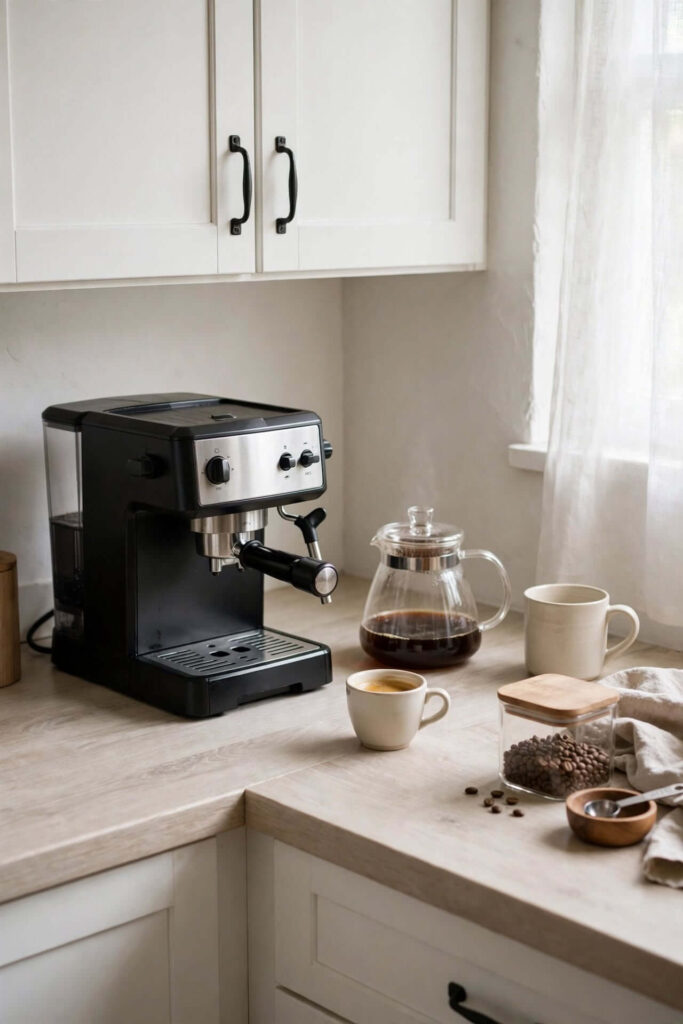
You do not necessarily need a premium machine to enjoy both coffee and espresso-style drinks at home. More affordable combo systems can combine basic drip brewing with capsule espresso or a simpler pump setup. The key is to identify which feature you actually need. If you rarely make espresso, spending more for advanced extraction controls may not provide much practical value.
14. A Combo Machine for Entertaining

A combination machine can become particularly useful when guests arrive because you can prepare a large pot of coffee while also offering espresso-based drinks. Look for larger carafe capacity, easy-to-access water reservoirs, simple controls, and a frothing system that does not require a complicated setup. The goal is to spend more time with guests and less time managing the coffee station.
Quick Win: Set out mugs, espresso cups, sweeteners, milk, and coffee pods before guests arrive so the machine becomes a self-service station.
15. The Right Combo Machine for Your Daily Routine
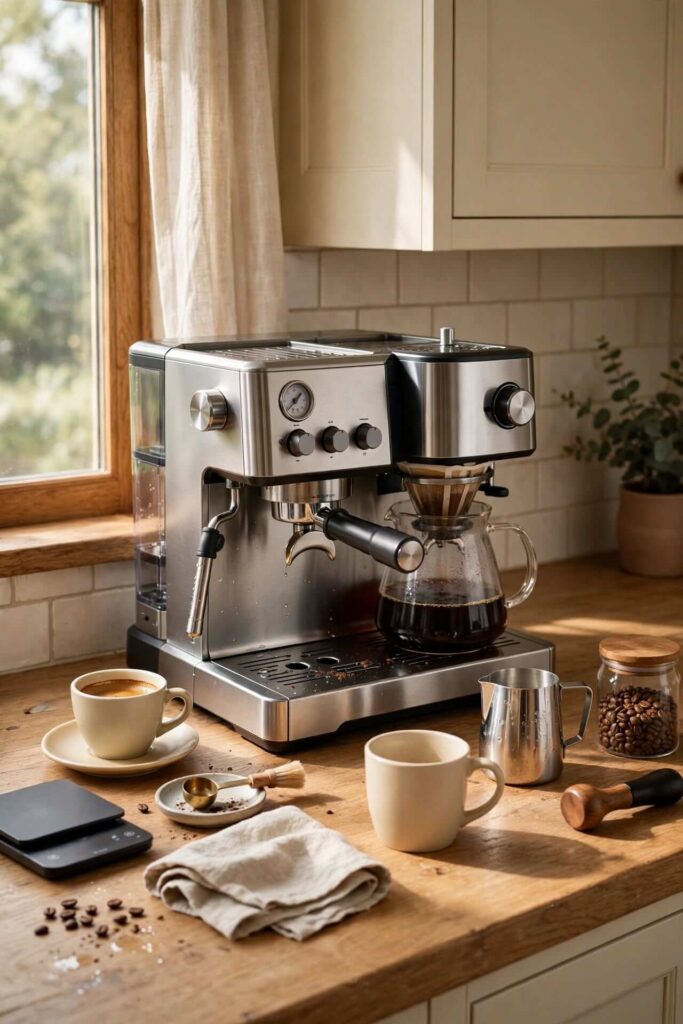
The best coffee and espresso combo machine is ultimately the one that matches how you actually brew. Capsule systems prioritize speed, portafilter machines provide more control, built-in grinders favor fresh-bean drinkers, and larger carafe systems make sense for families. Before choosing, consider your favorite drinks, available counter space, cleanup tolerance, brewing volume, and whether you want convenience or hands-on preparation.
Conclusion
Choosing a coffee and espresso combo machine is less about finding the machine with the longest feature list and more about matching the appliance to your routine. Think about whether you prefer pods, freshly ground beans, traditional espresso, large carafes, milk drinks, or quick iced coffee. You do not need every feature. Focus on the brewing style, capacity, footprint, and cleanup process that make sense for your kitchen and your everyday coffee habits.
Frequently Asked Questions
It is an appliance designed to handle regular coffee and espresso or espresso-style drinks from one countertop unit. Depending on the model, it may use grounds, capsules, a portafilter, or whole beans.
Yes. Combination machines use different brewing systems or settings to prepare regular coffee and espresso-style beverages. The exact espresso method varies considerably between models.
A combo machine can save counter space and simplify a coffee station. However, dedicated machines may offer more specialized control, so the choice depends on whether versatility or maximum performance in one brewing style matters more to you.
Check the brewing method, coffee capacity, espresso system, grinder, milk-frothing setup, water reservoir, dimensions, cleaning requirements, and available brew sizes.
They can be useful if speed and consistency are more important than hands-on espresso preparation. Capsule systems are particularly convenient for people who do not want to grind and tamp coffee every morning.
Many models can. Some include a steam wand or built-in frother, while others require a separate milk-frothing accessory.
A built-in grinder is useful if you want freshly ground beans without purchasing a separate grinder. If you mainly use pods or pre-ground coffee, it may not be necessary.
They can be especially useful in small kitchens because one appliance can replace two. Always check the complete footprint and operating clearance rather than looking only at width.
Some can brew large carafes. For example, the Ninja CFN601 supports coffee brewing from individual servings through a 12-cup carafe.
No. Some use traditional pump-and-portafilter systems, while others use capsules or espresso-style brewing. If espresso quality is your highest priority, examine the specific brewing system rather than assuming every combo machine works the same way.
Generally, simpler systems with removable water reservoirs, accessible brew components, and fewer milk-contact parts tend to be easier to maintain. Always check the manufacturer’s cleaning instructions before purchasing.
Many machines accept ground coffee on their drip side, while the espresso side may have different requirements. For example, the Ninja CFN601 uses coffee grounds for its regular coffee brewing and compatible capsules for espresso.
A larger carafe can be more practical for households where several people drink coffee. If only one or two people regularly drink coffee, a smaller system may save counter space.
That depends on how often you use their additional features. A premium machine can make sense for someone who regularly uses fresh beans, espresso, milk drinks, and multiple brewing styles, while a simpler user may prefer a less expensive system.
Choosing based only on the number of features is a common mistake. First decide whether you primarily want convenience, authentic hands-on espresso preparation, fresh-ground coffee, large-batch brewing, or maximum versatility.