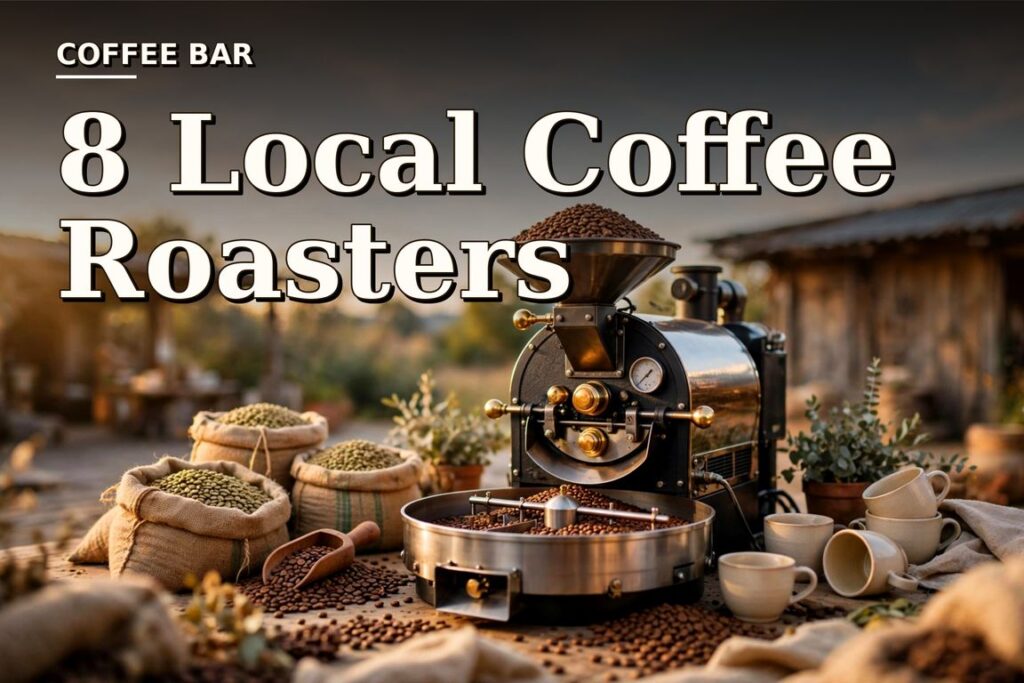
A truly good cup often takes more hunting than picking up any bag from a supermarket shelf. Perhaps you are after a deeper espresso, a gentler morning cup, or beans that carry notes of chocolate, caramel, or fruit. The challenge is knowing which local coffee roasters are worth trying and how to choose one that matches your taste and budget. Small roasters often bring fresh batches, unusual origins, and handy brewing tips, yet each shop works in its own way. The eight practical routes below will help you find better coffee, get to know the people roasting it, and give your daily cup a little extra charm.
In This Article
- 1. Search for Independent Coffee Roasters in Your Area
- 2. Visit a Coffee Roastery and Watch the Process
- 3. Look for Roasters Offering Freshly Roasted Beans
- 4. Explore Single-Origin Coffee for Distinctive Flavors
- 5. Compare Espresso Blends and Filter Coffee
- 6. Attend Coffee Tastings and Cupping Sessions
- 7. Check Subscription Services and Local Coffee Delivery
- 8. Choose a Roaster That Offers Brewing Advice
- How to Choose the Right Local Coffee Roaster
- Conclusion
- Frequently Asked Questions
- Related Articles
1. Search for Independent Coffee Roasters in Your Area

Begin by searching phrases like “local coffee roasters near me,” “specialty coffee roasters,” or “freshly roasted coffee beans” together with your city or area name. Look at each shop’s website, read customer reviews, note the opening hours, and find out if beans are roasted in-house or brought in from elsewhere. A tiny independent roastery may stock a more focused range than a general cafe. Compare a few options before visiting so you can find a convenient location with the roast styles and prices you prefer. Comparing a few local coffee roasters side by side makes it easier to spot the ones worth returning to.
Quick Win: Start with your own neighborhood, then widen the net to nearby areas. Shortlist two or three promising shops and compare what each one offers.
2. Visit a Coffee Roastery and Watch the Process

Stepping inside a working roastery lets you see the craft behind every cup. You may see green beans being roasted, cooled, tested, and prepared for sale while learning how different roasting profiles influence flavor. Ask whether the business welcomes visitors or offers scheduled tours, since production spaces are not always open to the public. That firsthand look is especially handy when you want to judge freshness yourself and pick beans with more confidence, rather than trusting the packet alone. Watching the process in person is one of the best ways to judge local coffee roasters before you buy.
3. Look for Roasters Offering Freshly Roasted Beans

Freshness matters a lot when you weigh one local roaster against another. Go by a clearly printed roast date instead of only a best-before date, and make sure the bag shields the beans from air, damp, and light. Coffee often benefits from a short resting period after roasting, particularly for espresso, so the newest possible roast is not automatically the best choice for immediate brewing. Pick a bag size you can get through while the coffee still tastes bright and lively. Freshness is often what sets the best local coffee roasters apart from supermarket shelves.
Quick Win: Before buying, ask when the beans were roasted and what resting period the roaster recommends for your brewing method.
4. Explore Single-Origin Coffee for Distinctive Flavors

Single-origin coffees come from a particular country, region, farm, or other defined source, depending on the producer’s labeling. They can reveal a wide range of flavors, from cocoa and nuts to citrus and berries. Ask your local roaster about the coffee’s origin, processing method, and recommended brewing style. If dark, bold coffee is your usual pick, start with a balanced medium roast before moving on to brighter, fruit-led styles. A smaller bag makes trying new flavors easier and means less coffee goes to waste. Many local coffee roasters list the farm or region for each single-origin bean, which helps you learn what you like.
5. Compare Espresso Blends and Filter Coffee

The same bean can shine in one brewer and disappoint in another. Many nearby roasters build blends tuned for a balanced espresso, while other beans are picked for pour-over, French press, or drip machines. Let the roaster know how you brew at home and whether you like a full body, soft acidity, or a sweeter cup. That advice can save you from spending on pricey beans that fall flat only because they do not fit your setup or recipe.
Quick Win: Espresso machine at home? Ask for a blend made for espresso instead of judging a bag by its roast color alone.
6. Attend Coffee Tastings and Cupping Sessions

At a tasting you can try several beans side by side and catch differences your everyday cup hides. Some small roasters run open cupping sessions, tasting flights, or workshops made for beginners. Such sessions help you grasp acidity, sweetness, body, aroma, and aftertaste even with no expert background. Look for events advertised by local coffee businesses, and ask whether reservations or tasting fees apply before attending.
Quick Win: Brew two coffees the same way, then jot down which tastes sweeter, smoother, or better balanced to you.
7. Check Subscription Services and Local Coffee Delivery
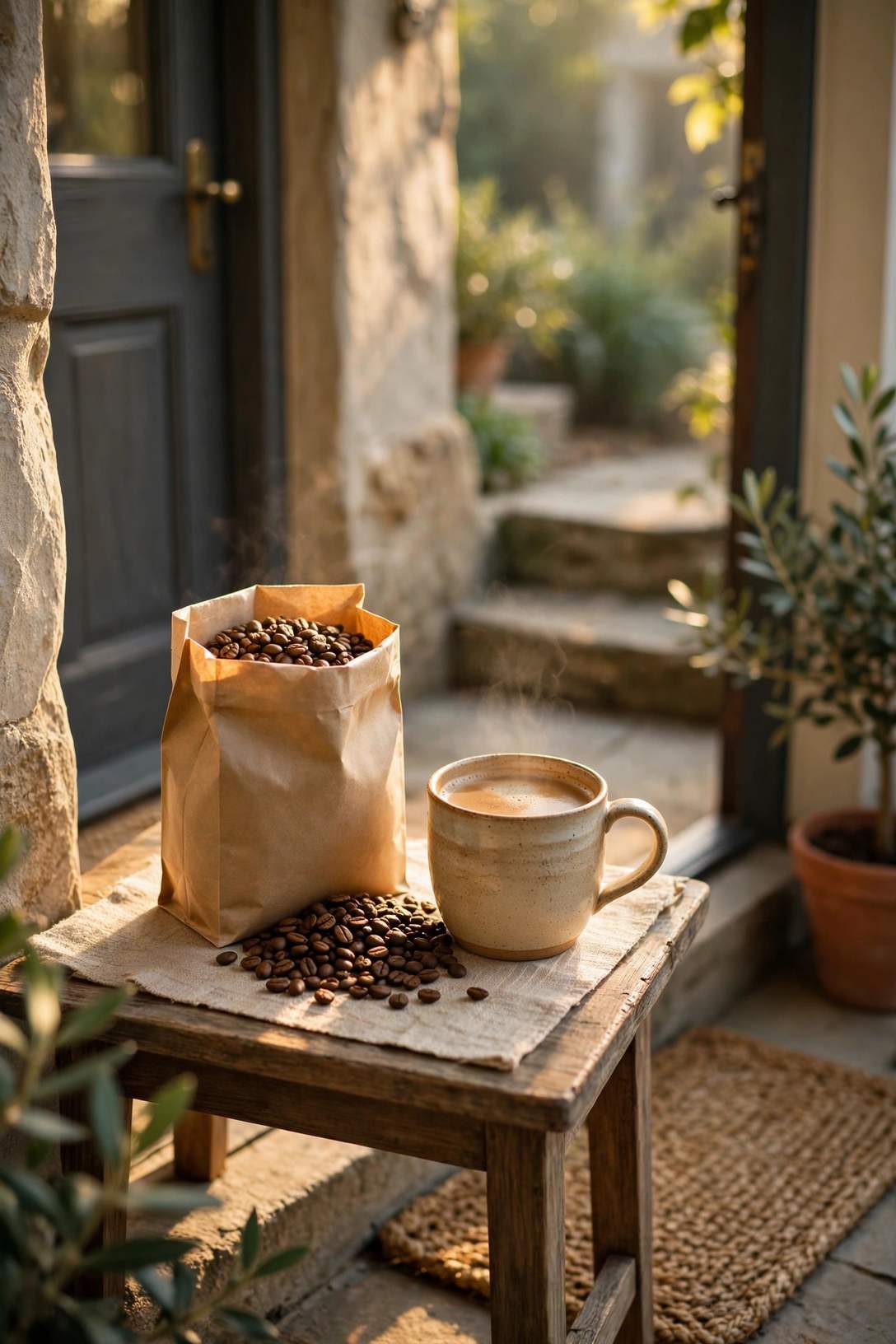
If visiting a roastery regularly is inconvenient, check whether local businesses offer online ordering, scheduled delivery, or coffee subscriptions. Some shops let you pick whole bean or ground, set your favorite roast, and get fresh batches on a regular schedule. Before you sign up, check delivery charges, minimum orders, delivery zones, and how easy it is to cancel. This option works particularly well for households that drink coffee every day and want a reliable supply without repeated shopping trips.
8. Choose a Roaster That Offers Brewing Advice
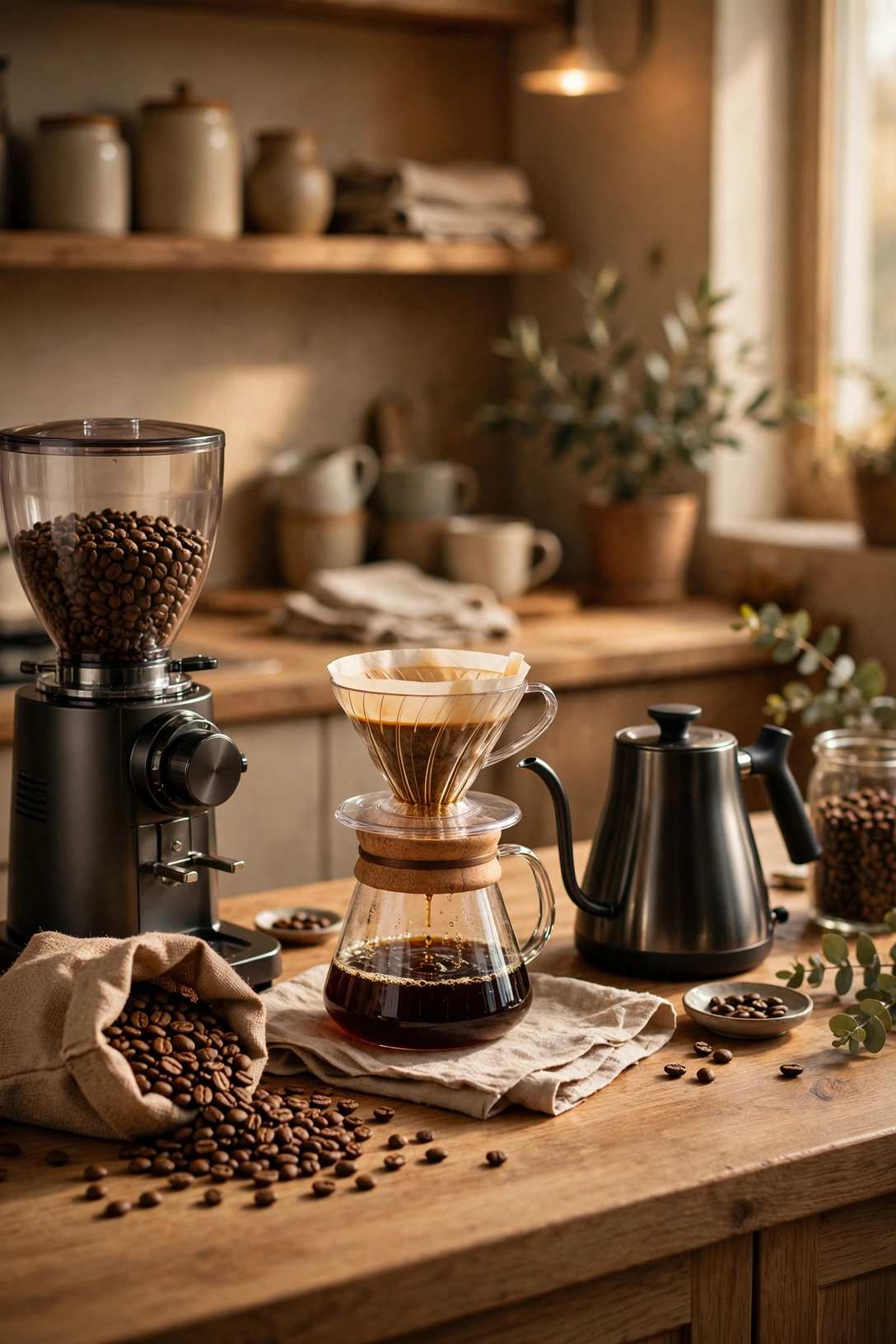
A good neighborhood roaster sells more than beans — the staff can usually walk you through grind size, water temperature, coffee-to-water ratios, and brewing methods. Seek out shops that share brewing instructions or happily answer questions about getting the most from a bag. That kind of guidance helps newcomers and seasoned home brewers in equal measure. You might find that tweaking your grinder or recipe lifts your coffee more than buying a pricier machine ever would.
Quick Win: Get a starter recipe for your brewer from the roaster, then change one thing at a time until the taste suits you.
How to Choose the Right Local Coffee Roaster
The right roaster for you is not always the nearest, priciest, or most talked-about shop. Focus on what matters most to your daily cup.
| What to compare | What to look for |
|---|---|
| Freshness | Clearly stated roast dates and suitable packaging |
| Flavor | Beans and blends that match your taste |
| Brewing support | Useful recommendations for your equipment |
| Selection | A suitable mix of blends, origins, and roast profiles |
| Convenience | Practical opening hours, collection, or delivery |
| Value | Fair prices for the quality, quantity, and service offered |
Where you can, start with one small bag rather than jumping into a big order or subscription. Note down the roast, taste, brewing method, and price as you go. With time, a clear picture forms of which roasters reliably make coffee you love.
Conclusion
Hunting down local roasters can turn a daily habit into a chance to taste new flavors and back small businesses. Begin close to home, check for clear roast dates, and try different origins and blends before picking a favorite. Better coffee needs neither costly gear nor trained tasting skills. A bit of curiosity, a few careful buys, and tips from a knowledgeable roaster can make your home coffee ritual far more rewarding.
Frequently Asked Questions
Look up local coffee roasters, specialty roasters, and freshly roasted beans together with your city or neighborhood online. Check shop websites and maps to confirm where they are, what they sell, and whether you can visit.
It depends on the beans, roast quality, freshness, storage, and your personal taste. Local roasters may offer more detailed sourcing information and personalized advice, but supermarket coffee can also be excellent.
Go by the roast date printed on the bag, not only an expiry or best-before date. Buy from shops that store beans well and are open about how they roast.
Some specialty coffees carry a higher price because of sourcing, processing, roasting, or small production runs. Weigh the price per gram, bean quality, and cup result rather than judging value by the bag price alone.
A roaster turns green beans into roasted coffee, while a cafe mainly brews and serves drinks. Some places do both — roasting their own beans and pouring brewed coffee for customers.
Whole beans usually hold their aroma longer, since grinding exposes more surface to air. Ground coffee is more convenient if you do not own a grinder, so choose according to your equipment and daily routine.
A medium roast is a useful starting point because it often offers a balance of sweetness, body, and acidity. However, the best roast depends on your preferences and brewing method.
Single-origin coffee is sourced from a defined geographical or production origin. Depending on the bean, it can carry distinct flavors shaped by its variety, growing conditions, processing, and roast.
Plenty of nearby roasters sell espresso blends built for balanced flavor and steady machine performance. Ask which beans suit your machine and what grind or brew settings they suggest.
Many roasters provide online ordering, local delivery, shipping, or subscriptions, although availability varies by business. Before ordering, confirm delivery areas, charges, minimum orders, and expected arrival times.
Store coffee sealed tight in a cool, dry spot, away from sunlight and strong smells. Limit air and moisture exposure, and buy only what you can use while it still tastes fresh.
Some roasters welcome visitors, offer tours, or organize tasting events, while others operate production facilities that are not open to the public. Look at their website or get in touch before heading over.
Begin with a small bag so you can try the flavor without wasting coffee you may not enjoy. Once a favorite emerges, buy bigger amounts based on how often you brew and how well you store the beans.
Ask about the roast date, flavor profile, origin, processing method, and recommended brewing technique. If you use a particular coffee machine or grinder, mention it so the roaster can suggest suitable beans.
Buy direct when you can, drop by their tasting events, tell friends about their coffee, and leave honest reviews. Ordering through their official channels can also help you discover seasonal releases and learn about new offerings.